Report on the trip to the Vintage Radio & Communications Museum of Connecticut

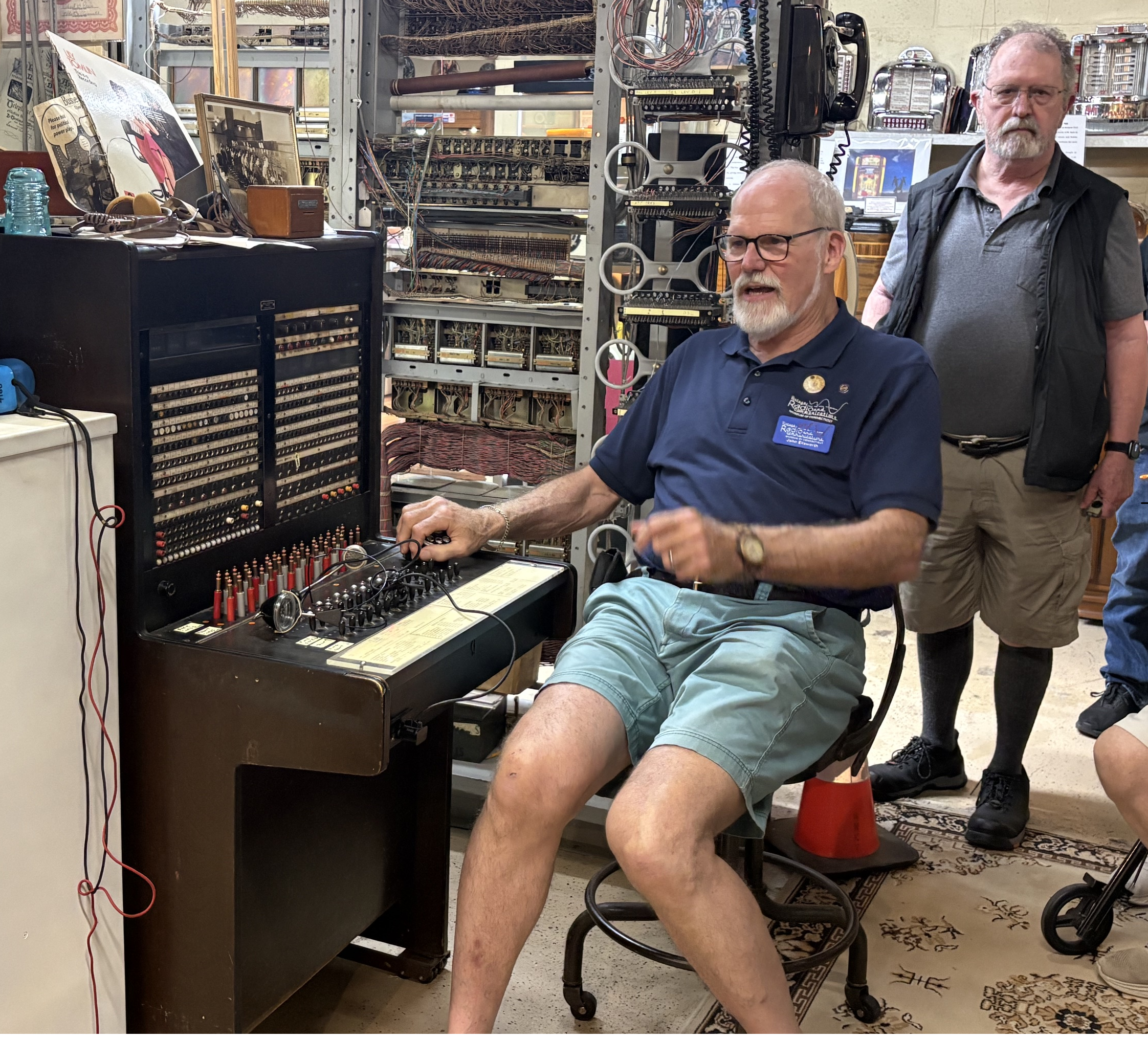
John Ellsworth explaining how a switchboard operator used to connect calls

A group of our members recently traveled to the Vintage Radio & Communications museum of Connecticut.  We were given a full tour by John Ellsworth, the museum’s director.  The museum has a wide-ranging collection of equipment dating back to the late 1800s up through the 1970s.  John provided immense knowledge of the history of each piece including how it was used and stories of how the piece was acquired & restored.
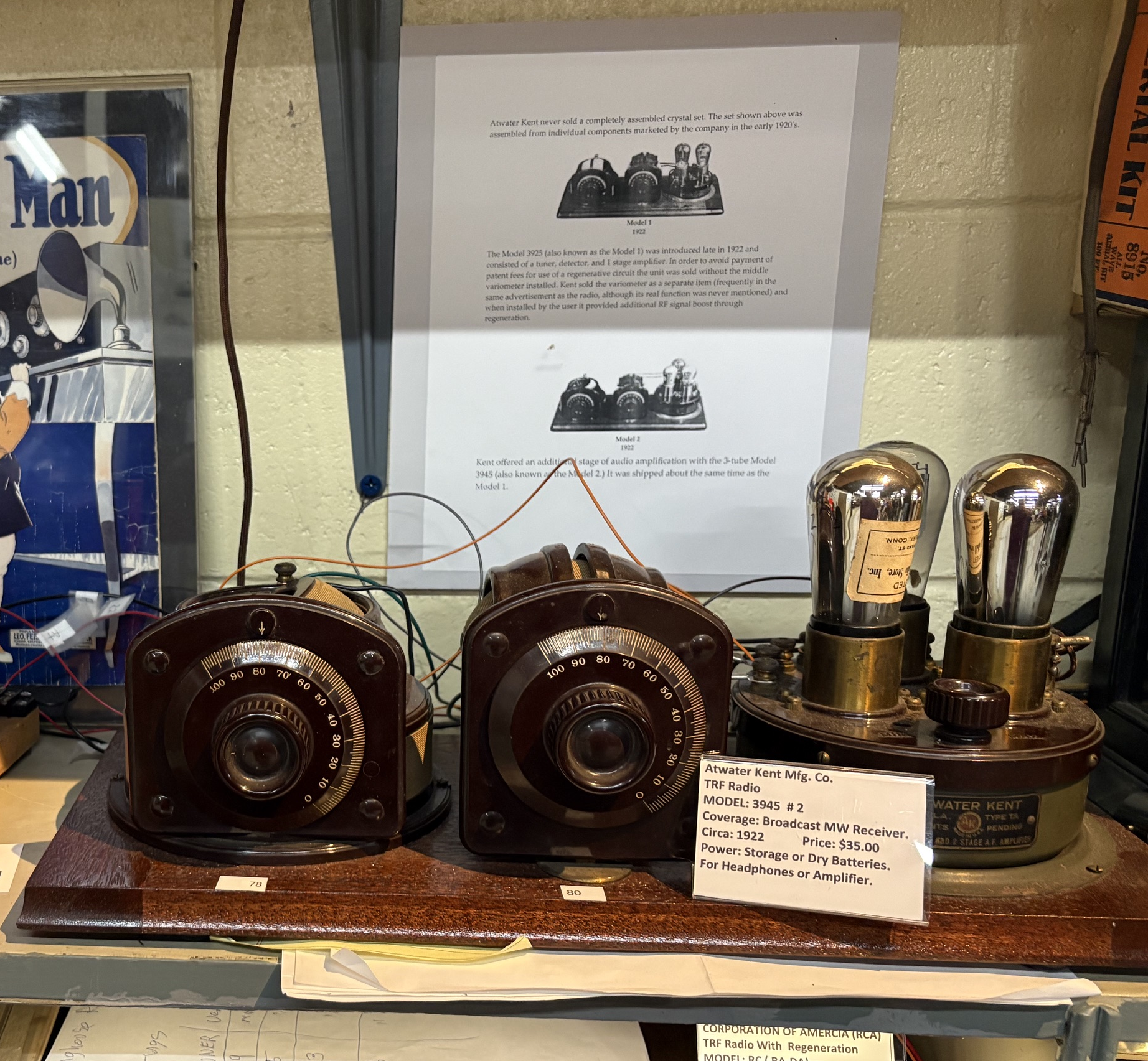
Atwater Kent Model 2 Receiver from 1922

The museum is broken into chronological groups that trace the history of wired and wireless communications as well as computers.  There is a demonstration of a spark gap transmitter (luckily not hooked up to an antenna) that one can try to send Morse code with.  They also have a wonderful collection of early receivers including an Atwater Kent Model 2 from 1922.  All these early receivers were in kit form, and I’m told were rather expensive for the average consumer to purchase.  John also demonstrated an early Tesla coil including doing his best Darth Vader impersonation with a fluorescent tube.
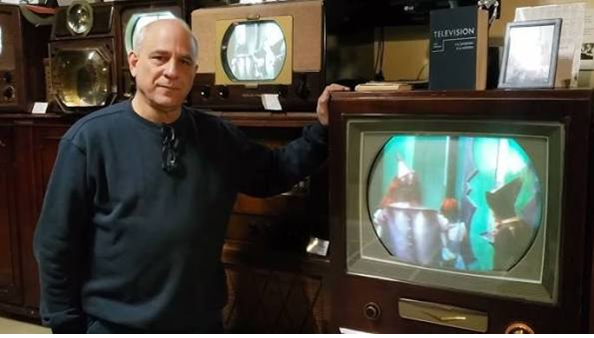
Early RCA color TVs

The museum also follows the history of television including some very rare and early color TVs like the RCA Model 5 prototype & the RCA 21CT55 from 1954.  The museums  21CT55 is thought to be the earliest known one of its kind in existence.  More details on this rare piece including how they acquired it can be found at this link including a YouTube video https://www.vrcmct.org/exhibits-collections.
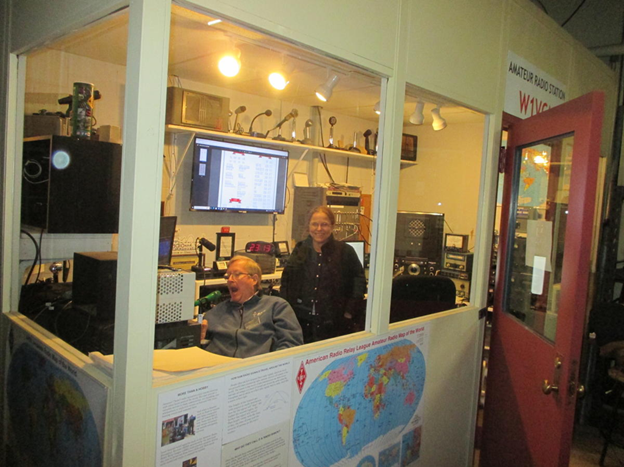
The W1VCM club station

The museum also has many old ham radio transceivers and a working club station W1VCM with satellite capability.  The club station is available for visiting hams to operate if they have a copy of their license with them.  In the backroom of the museum are racks of old AM broadcast transmitters from WTIC & WPOP.  Everyone in our group enjoyed the walk back into communications history.  For some of our younger members the walk back was farther than others!  Jim N8VIM shot about 4 hrs of video so I’m looking forward to seeing it in one form or another on our YouTube channel.  If you enjoy communications history like I do, you’ll also enjoy a tour of this eclectic museum.  For more information on the museum please see their website https://www.vrcmct.org/
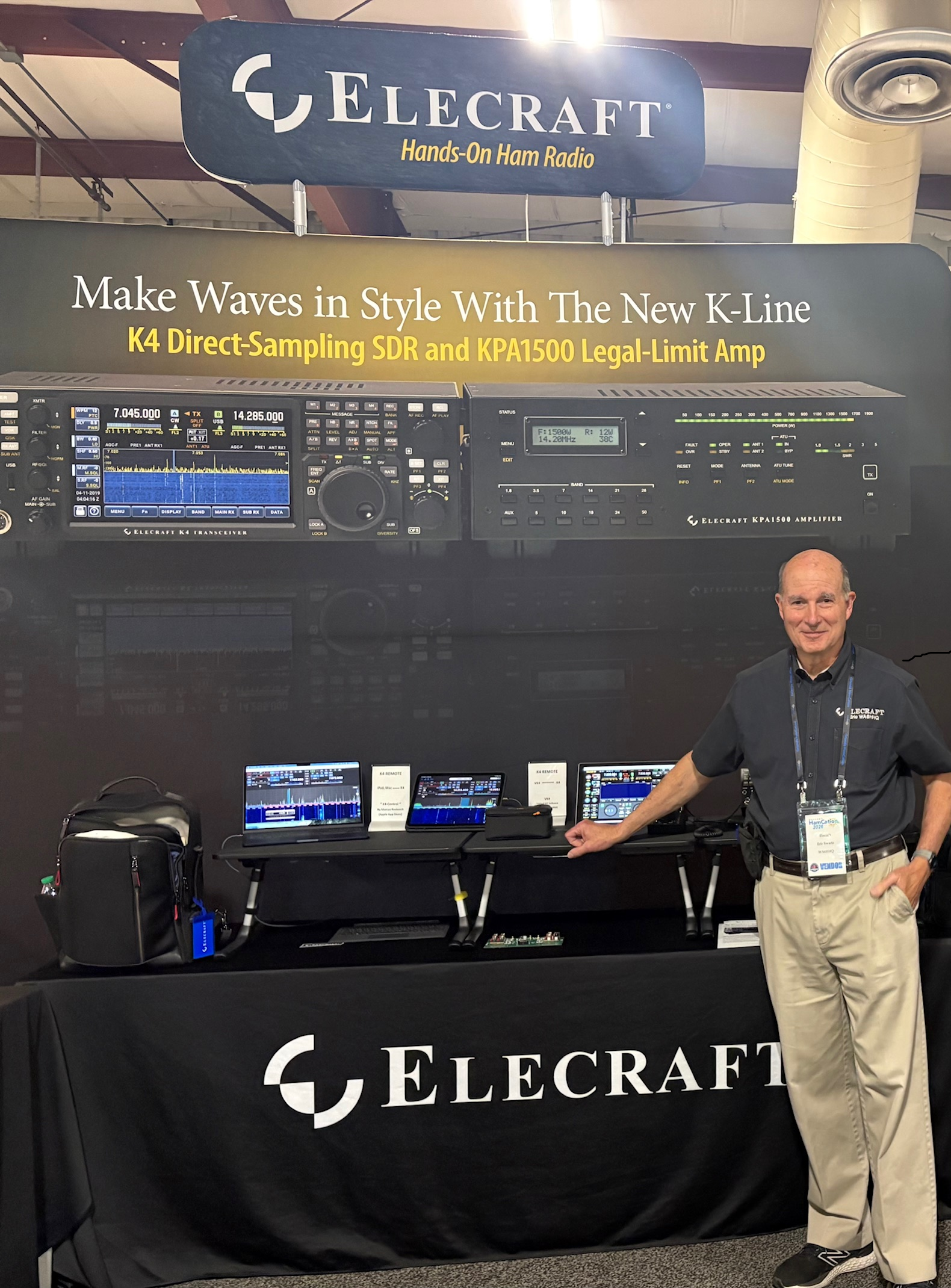
Hamcation 2026

I attended my first Hamcation this year in Orlando Fl.  It was great to escape the New England winter and meet up with others doing the same.  I enjoyed the large number of vendors, the expansive flea market, and some of the forums.  Here are some pictures from Hamcation 2026 (click on each thumbnail for each full size picture).

Les, N1SV

WA6HHQ answering questions on the K4 transceiver

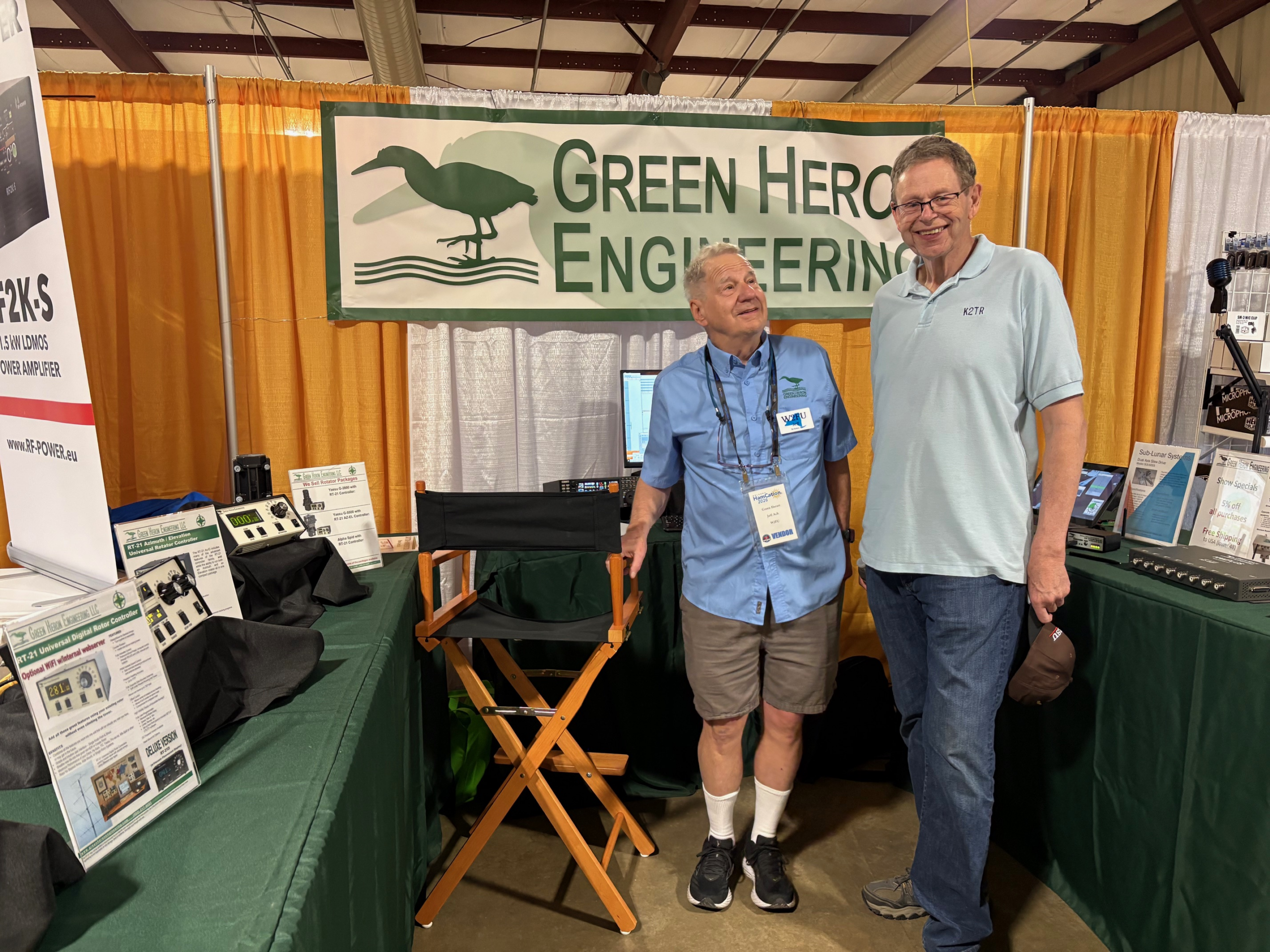
Fred K2TR visiting Green Heron Engineering
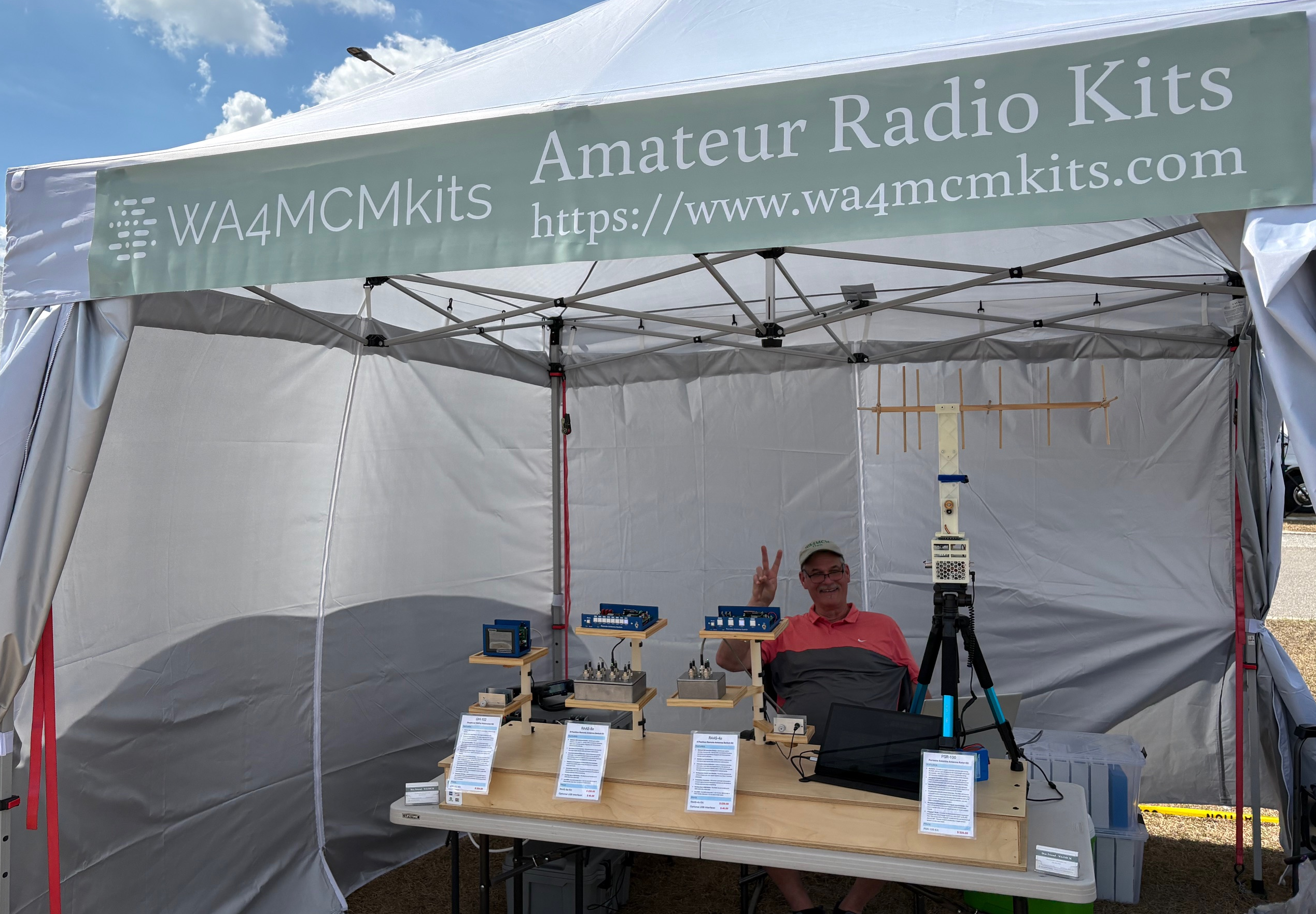
Don WA4MCM showcasing his products

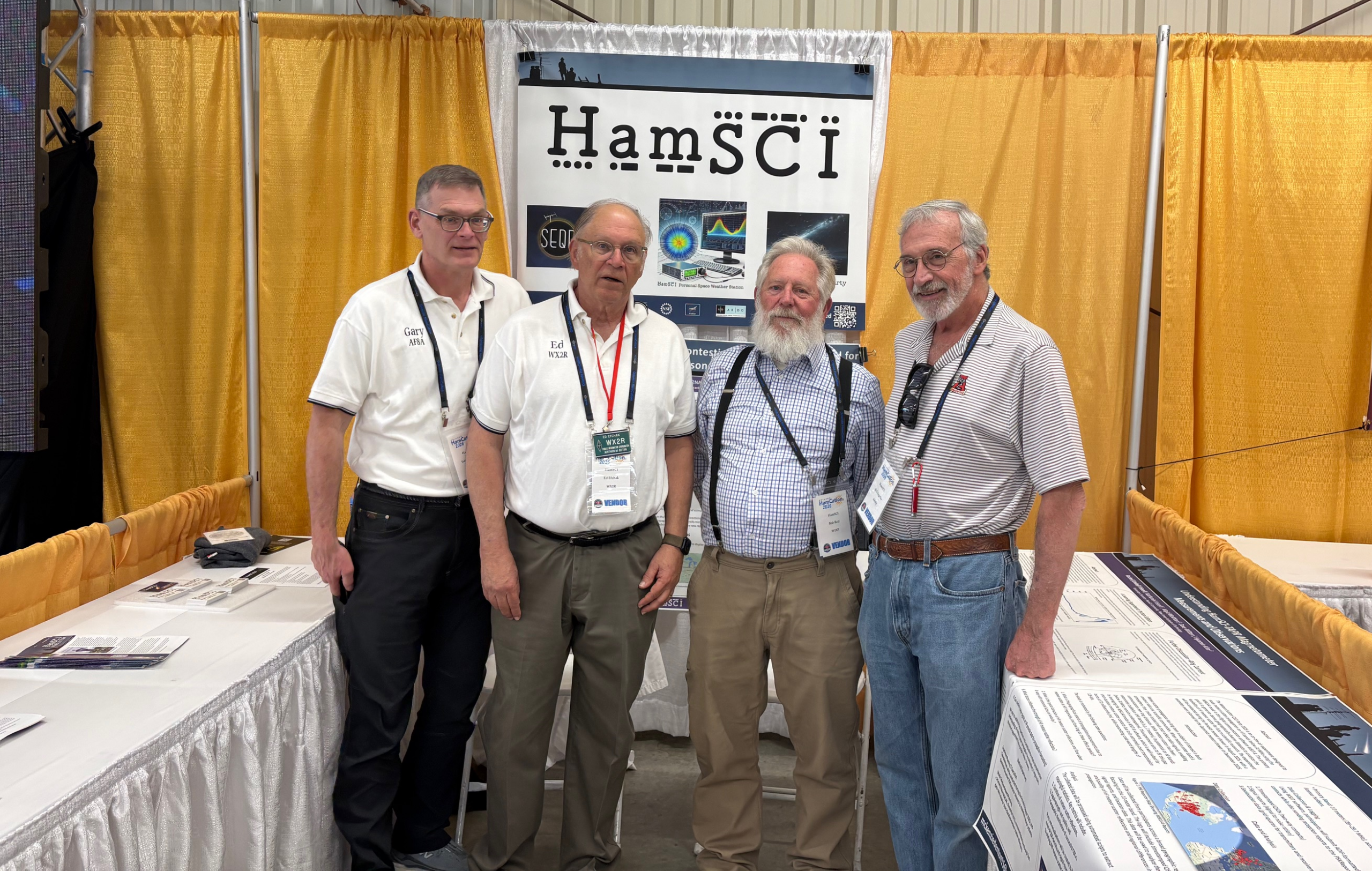
Bob W1XP and friends at the HamSCI booth
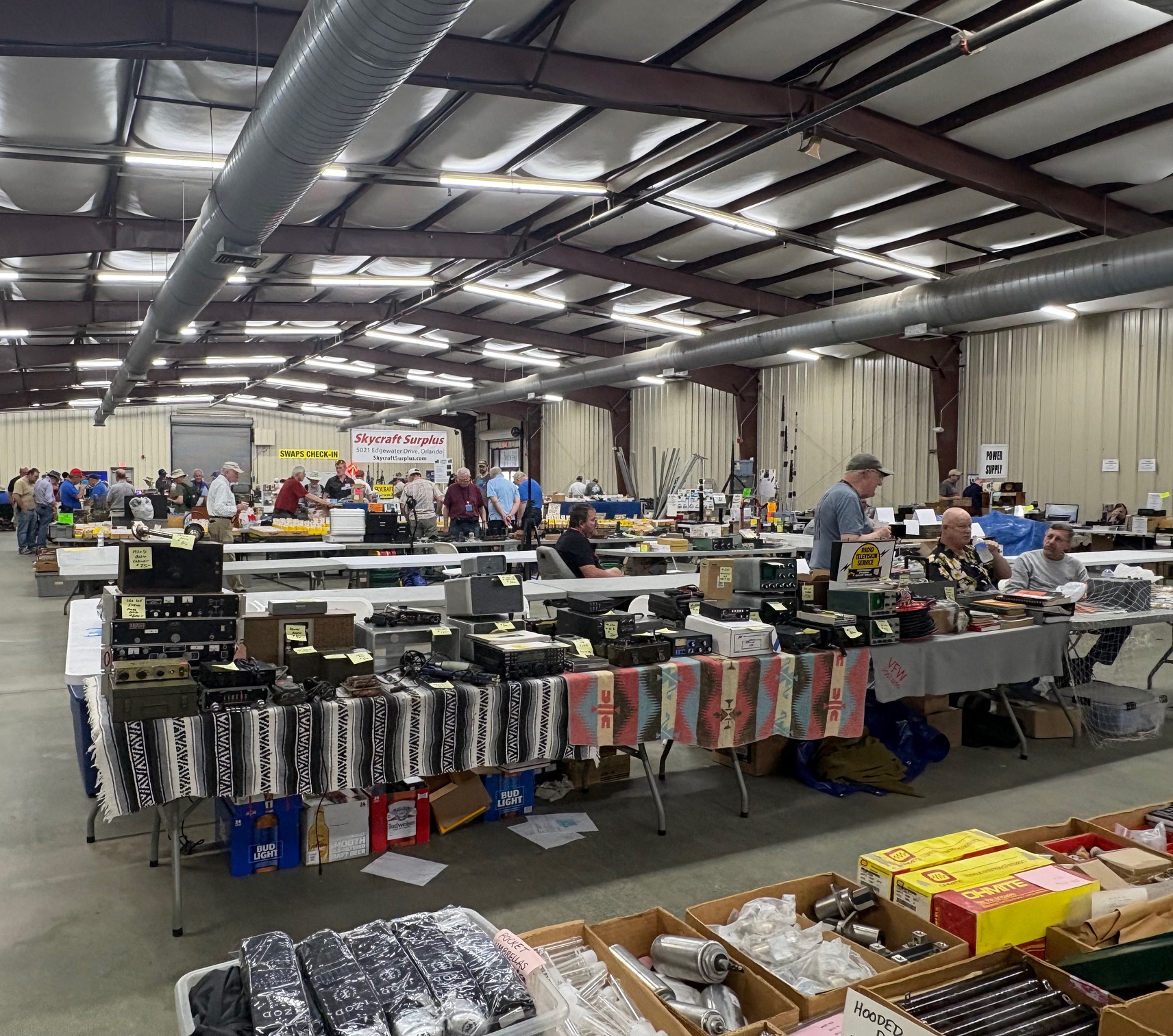
Swaps building

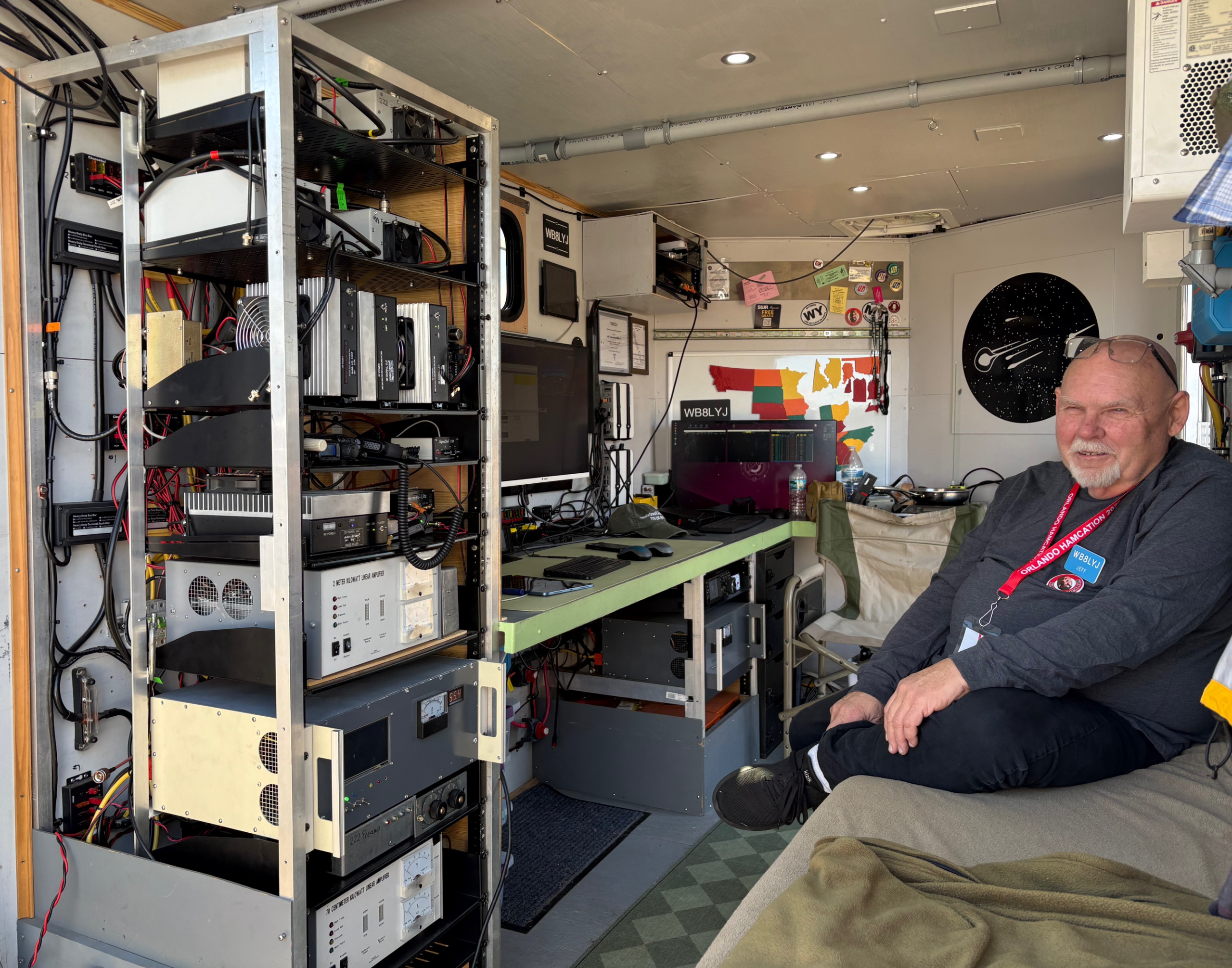
Jeff WB8LYJ and his well outfitted portable VHF/UHF high-power station

Report on NVARC HomeBrew night

The Nashoba Valley Amateur Radio Club held its annual Homebrew / Show & Tell Night on December 18th with numerous members displaying their different projects.  It was interesting to see what everybody was working on and here are three projects that really caught my eye.

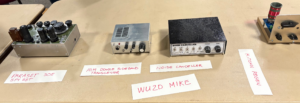
Mike WU2D & Mark WA1QHQ displayed a number of different projects they had designed and built including a Noise canceller & a Paraset spy radio.  Mike explained his replica of a WWII Paraset spy radio and how it was used.  Originally built by the British it was used for clandestine radio communications in France.  The word Paraset is a combination of “radioset” & “parachute”.  Paraset radios were dropped by parachute behind enemy lines.  Mike & Mark have agreed to come back on March 19th, 2026, to provide a more detailed presentation on spy radios, their history and how they work.

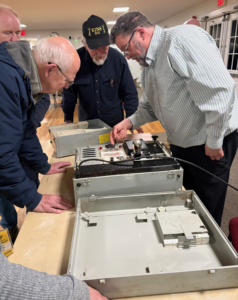
Phil W1PJE, brought in an old Western Electric automated tube tester from the 1960s.  While tube testers aren’t that unusual, automated ones from that time are.  Phil explained how punch cards were inserted into the instrument to configure the specific electrical parameters for each tube.  The automated tube tester was built into a rugged metal suitcase so it could presumably be tossed in the back of a truck.  Phil also displayed the companion library of old punch cards housed in a smaller rugged metal suitcase.

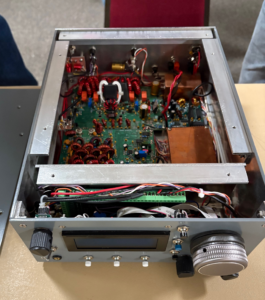
Tom W1PKX brought in his PKX40 transceiver that he designed and built.  Tom explained many of the features of this high performance 40w transceiver and some of his recent improvements.  I was blown away by some of the CW performance specifications of this transceiver and how they were similar to some top commercial radios.  For more information on this project and others that Tom has made you can look him up on QRZ.com.

Les, N1SV

The 48th NEWS VHF/UHF/Microwave Conference


The 48th NEWS VHF/UHF/Microwave Conference was held in Windsor, CT from May 8th thru 11th.  This event brings together VHF/UHF/Microwave enthusiasts from around the Northeast and Canada.  They always have an interesting lineup of speakers.  This year there were two presentations that really caught my eye.

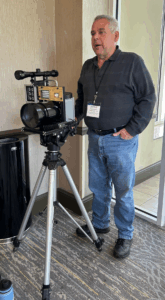
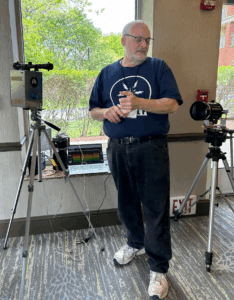
The presentation on Basic Light Communications by Paul W1VLF gave a good overview of the subject including an interesting story on how he scavenged 140 IR diodes for his optical transmitter from old tv remote controls when he worked for a CATV company.  Fred K1FMS followed this up with a presentation on the details of his equipment and a series of 940nm (319 THz) contacts he made with Paul at up to 25 miles so far using basic DIY hardware.

The optical equipment consists of simple available components that are mounted on a tripod.  A common transmitter consists of a bank of Infrared LED diodes combined to make a high-power emitter.  A cheap square wave generator powers the LED bank with a simple switch to send CW.  The receiver consists of an IR optical receiver IC behind a projection TV lense.  The output of the optical receiver feeds a trans-conductance amplifier and then a software defined receiver (SDR) like an AirSpy.

Following the presentations Paul W1VLF & Fred K1FMS displayed their equipment and gave a demo.  For more information visit Paul’s YouTube page https://www.youtube.com/user/W1VLF/videos .